.svg)
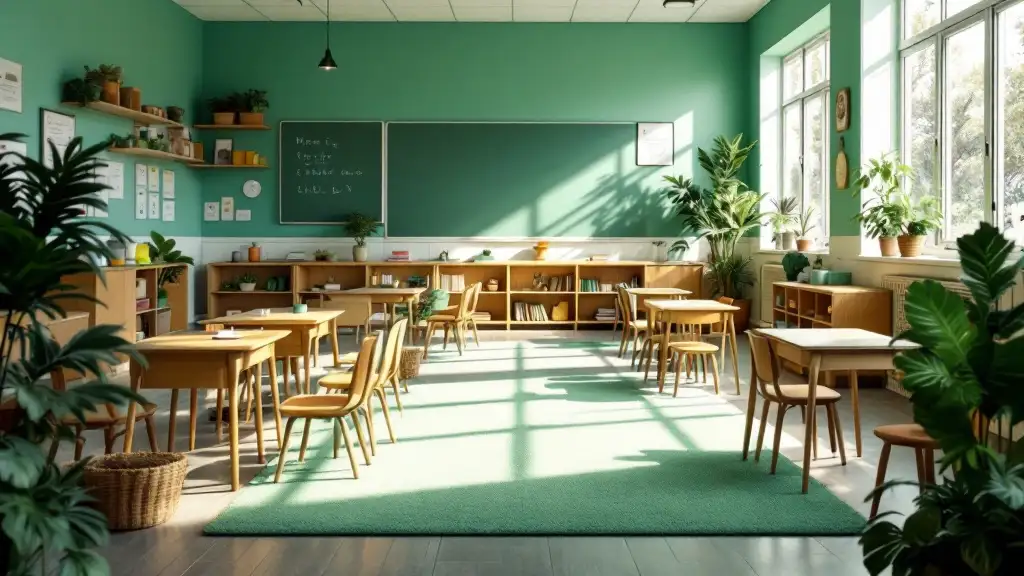
Supporting transitions from therapy to school independently
Empowering Children Through Effective Transition Strategies
Understanding the Importance of Smooth Transitions from Therapy to School
Supporting children in transitioning from therapy to school independently is a multifaceted process that requires collaboration, tailored strategies, and expert guidance. Occupational therapists and other specialists play a critical role in preparing children for this significant step, ensuring that they develop the skills necessary for academic, social, and emotional success. This article explores the critical components involved in facilitating effective transitions, emphasizing evidence-based strategies that foster independence, confidence, and resilience in children.
The Role of Occupational Therapists and Support Strategies
What role do occupational therapists support in transitions?
Occupational therapists play an essential role in helping children and families navigate school transitions smoothly. They focus on making these changes more manageable and empowering for the child. OTs prepare families for new routines and roles, assess individual needs, and develop tailored supports to foster independence and confidence.
In addition, they educate and collaborate with school staff, ensuring everyone understands and implements effective strategies. This teamwork helps create a consistent environment where children can thrive. Supporting self-advocacy is also a vital part of their role, encouraging children to identify supports, communicate their needs, and become more autonomous during transitions.
Overall, OTs help facilitate emotional well-being, social connection, and functional participation as children adapt to new settings. Their work often involves practical tools and methods to promote independence, regulating emotions, and developing necessary skills for success in school and daily life.
Utilizing Visual and Sensory Supports for Transition Preparedness

How do visual and sensory supports aid children during transitions?
Visual schedules, social stories, and sensory supports such as weighted backpacks and fidget tools are essential tools that help children navigate changes easily. These supports provide clear expectations and structured routines, which can significantly reduce anxiety.
Visual schedules allow children to see what will happen next, helping them understand and prepare for upcoming activities. They organize daily routines and transitions, making abstract concepts more concrete.
Social stories describe appropriate behaviors and communication strategies in various situations, such as sharing or waiting, fostering social understanding and independence.
Sensory supports include items like weighted backpacks, soft clothing, and sensory tools like fidget toys. These help children with sensory sensitivities feel more regulated and comfortable, creating a calming effect.
Using practical tools like countdown calendars and consistent routines at home and school also builds confidence. Practicing school skills, like packing their backpack or feeding themselves, at home boosts readiness.
Together, these supports enhance emotional regulation, reduce uncertainty, and promote independence during the stressful times of change.
| Support Type | Purpose | Example |
|---|---|---|
| Visual schedules | Organize routines and prepare children | Daily routine charts |
| Social stories | Promote social understanding | Stories about sharing or greeting peers |
| Sensory supports | Support emotional regulation | Weighted backpacks, fidget tools |
| Practical tools | Build confidence in tasks | Countdown calendars, practice runs |
Implementing these visual and sensory strategies tailored to each child's needs creates a smoother, more confident transition to school or new environments. Evidence-based supports like these foster independence and help children feel secure as they face new routines.
Promoting Self-Advocacy and Emotional Regulation Skills
Why is supporting self-management crucial during school transition?
Supporting self-management is vital for helping children adapt to new school environments confidently. It encourages resilience and equips children with the ability to handle challenges independently. Teaching skills such as problem-solving, communication, and self-advocacy enables children to express their needs, seek help when necessary, and regulate their emotions effectively.
These skills foster a sense of empowerment, reduce anxiety, and facilitate smoother transitions. When children understand how to advocate for themselves and manage their feelings, they are more likely to succeed socially and academically. Occupational therapists play a significant role in preparing children for these responsibilities by developing personalized strategies that build independence.
Supporting self-advocacy not only benefits children during the transition but also sets a foundation for lifelong skills, enabling them to navigate future challenges with confidence.
Strategies to develop self-advocacy and emotional regulation
- Visual tools: Use visual schedules and social stories to help children understand routines and appropriate behaviors.
- Role-playing: Practice real-life scenarios to teach children how to ask for help, express needs, and communicate effectively.
- Emotion recognition activities: Help children identify their feelings and choose calming techniques like deep breathing or sensory tools.
- Communication support: Support development of expressive skills, including alternative methods like AAC devices if needed.
How can families support children during this process?
Families are encouraged to ask questions about classroom modifications, accessibility, and support staff to ensure their child's needs are met. Creating visual schedules or countdown calendars at home can prepare children for upcoming changes, reducing uncertainty.
Routine establishment, such as practicing morning routines and packing backpacks, helps build confidence. Sensory-friendly clothing and tools can ease sensory sensitivities. Engaging in social stories and role-playing at home reinforces social skills.
Collaboration between families, teachers, and therapists ensures a consistent approach, reinforcing skills across environments. Regular communication through meetings and transition summaries supports ongoing progress.
Additional Resources
A comprehensive downloadable guide offers over 40 strategies to aid in school transitions, including visiting new schools beforehand, establishing routines, and managing anxiety. Evidence-based techniques like visual schedules, video modeling, and social narratives are emphasized to bolster independence.
By fostering these skills and utilizing practical tools, families and professionals can work together to make school transitions more manageable, less stressful, and more empowering for children.
Family and School Collaboration for Seamless Transition
How does parent involvement enhance safeguards in transition?
Active parent involvement plays a crucial role in ensuring a safe and effective transition to new school environments or routines. When families are engaged, they can tailor support strategies to meet their child's unique needs, ensuring that interventions are personalized and effective.
Moreover, involved parents facilitate clear and consistent communication with educators and therapists, which is vital during transitions. They advocate for necessary accommodations, helping to create an environment where their child can thrive.
Parents also participate in planning meetings, providing insights into their child's strengths and areas that need additional support. This collaborative approach ensures that transition practices are aligned across home and school settings, reducing anxiety and promoting emotional readiness.
Overall, family engagement improves the child’s sense of security, fosters emotional resilience, and increases the likelihood of a successful transition, setting the foundation for ongoing success in the new environment.
Professional Resources and Practical Tips for Caregivers and Educators
What practical tips support children during school transitions?
Supporting children as they transition into new school environments involves a mix of evidence-based strategies and practical planning. Practitioners recommend establishing consistent routines early on to create predictability and security. This can include practicing morning routines at home, like packing backpacks, laying out clothes, and independent dressing.
Preparation activities, such as visiting the school beforehand, familiarizing children with key locations, and meeting teachers prior to the first day, help reduce anxiety. Visual supports like visual schedules and countdown calendars offer concrete ways for children to anticipate and understand upcoming changes.
Utilizing storytelling tools such as social stories and role-playing helps children grasp classroom expectations and social skills, fostering confidence. Using timers can cue transitions between activities, minimizing confusion.
Celebrating small successes and maintaining open communication with children reinforces their sense of achievement and supports ongoing adaptation. Providing emotional support through reassurance and structured routines helps children feel secure.
Post-transition routines are equally important. Allowing children space for decompression, engaging in outdoor play, and scheduling structured activities before homework help them adjust and succeed.
Employing these strategies collectively builds resilience, supports independence, and makes school transitions more manageable for children with diverse needs.
Harnessing Expertise and Strategies for Long-Term Success
Supporting children through the transition from therapy to school requires a comprehensive approach that integrates expert guidance, evidence-based tools, and family involvement. Occupational therapists and educators work together to develop individualized plans, emphasizing independence, emotional regulation, and social skills. By applying these strategies, caregivers and professionals can create a nurturing environment that not only eases the transition but also lays a strong foundation for ongoing academic and social growth.
References
- Supporting School Transitions: The Role of an OT
- Effective Back-to-School Transition Strategies for Children ...
- How ABA Therapy Can Support Back-to-School Routines
- 40+ strategies to support the back-to-school transition
- Supporting Transitions for Unique Learners
- How ABA Therapy Can Help Autistic Children Manage ...
- Transition Checklist: Moving From ABA Programs to School ...
- How ABA Therapy Can Help In School
- Transitions ABA in the Classroom
Support When You're Ready for the Next Step
If you’re considering ABA or evaluating what type of support might fit your child best, take a look at our general information on our main page. And if you're ready to take action or ask specific questions, you can always contact us.